
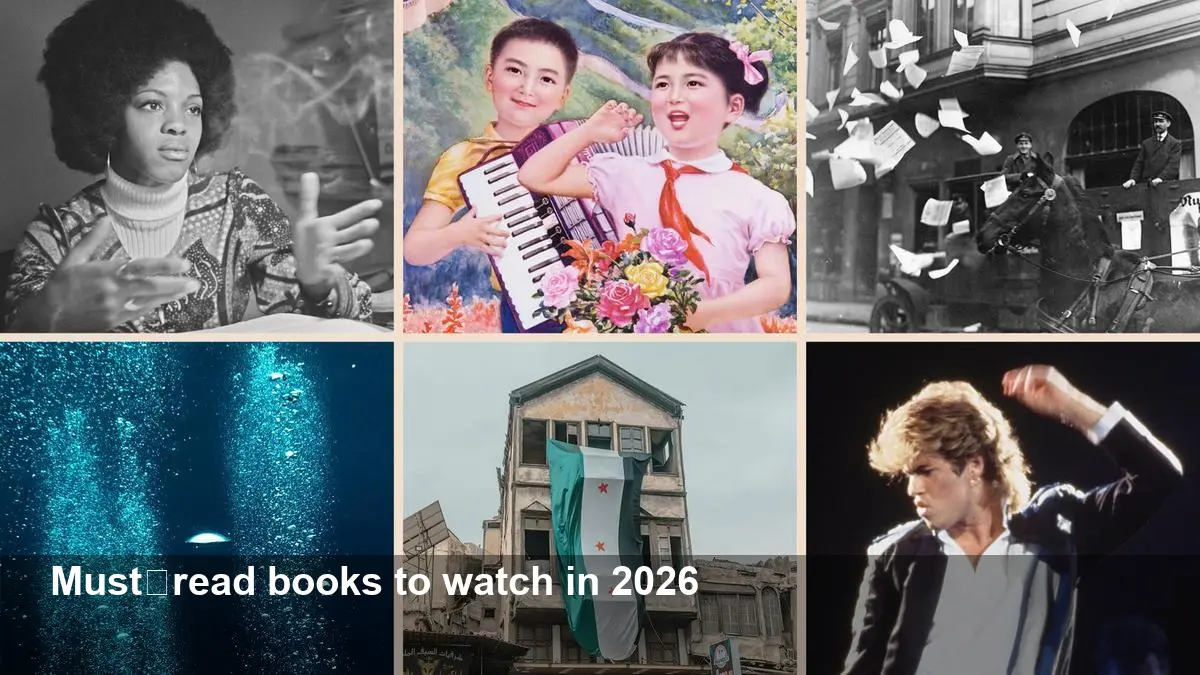
- New releases in 2026 will highlight diverse voices, bold debuts and climate and tech-themed fiction.
- Look beyond best-seller lists: translated works, short story collections and memoirs are rising picks.
- Audiobooks and curated book-club editions make discovery easier — try monthly picks and local libraries.
What to expect from books in 2026
Readers heading into 2026 can expect an eclectic mix: high-profile sequels, ambitious literary debuts and nonfiction that tackles politics, climate change and AI. Publishers are leaning into diverse voices and translated works, while readers are rediscovering short collections and essayists as companion reads between longer novels.
Fiction trends to watch
Speculative fiction and climate novels (cli‑fi) continue to grow, pairing intimate human stories with big-picture worldbuilding. Literary fiction that experiments with form — interwoven timelines, unreliable narrators and hybrid memoir‑novels — will remain prominent. Keep an eye on debut novelists; many breakout authors in recent years began on small presses before being picked up by larger houses.
Nonfiction: big ideas, personal stories
Memoirs and narrative nonfiction that connect personal experience to wider cultural forces will be in demand. Expect books that explore the social impact of AI, deep dives into global supply chains and accessible science writing about climate solutions. Investigative books and deeply reported cultural histories will continue to drive conversation and awards season buzz.
Short forms and translations gaining ground
Short story collections and essay anthologies are easier reads for busy schedules and are enjoying renewed attention. Translated fiction is also breaking through: publishers and festivals are spotlighting international voices, making it easier to find standout titles from outside the English-speaking world.
How to build your 2026 reading list
Start with a mix: one long novel, a short collection, and one nonfiction title each month. Use these discovery tools:
- Editorial roundups and literary pages for curated lists.
- Independent-bookshop recommendations and local book clubs for personal picks.
- Library new‑arrival shelves and audiobook subscriptions to sample without commitment.
Book clubs and reading formats
Audio editions continue to broaden access; many readers prefer listening for commutes or chores. Book clubs — online or local — add context and motivation. Look for enhanced editions and author Q&As that many publishers now package for clubs.
Final picks and how to follow new releases
To stay current, follow a handful of trusted sources: literary journals, independent-bookshop newsletters and monthly editor picks from major publications. Prioritize authors and themes that excite you, and be willing to try a translated title or a short collection — some of the most talked‑about books of recent seasons began small.
What to read in 2026 is less about chasing hype and more about diversifying choices: new voices, condensed forms and nonfiction that helps make sense of a fast-changing world.
Image Referance: https://www.ft.com/content/5de26a95-b04e-4829-bea3-da9fbcd621fd