
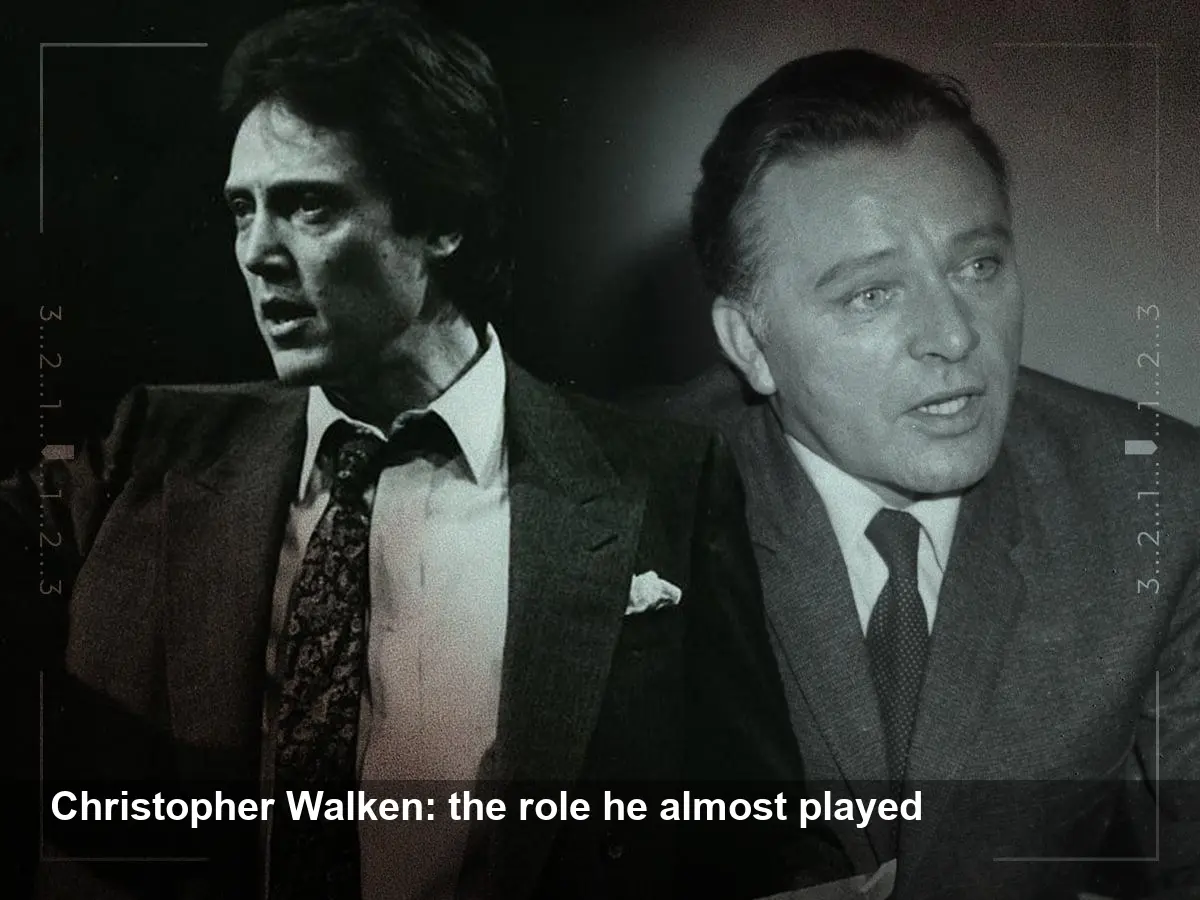
- Christopher Walken was reportedly considered by director John Boorman for a role later given to Richard Burton.
- Studio executives overruled the director’s preference, insisting Burton was the safer choice.
- Walken reportedly accepted the decision with the remark: “That’s the way it goes.”
Director’s pick blocked by studio power
Legendary director John Boorman once eyed Christopher Walken for a part in one of his projects, but studio executives stepped in and pushed for Richard Burton instead. The episode, recounted in interviews and industry anecdotes, underlines a long-standing reality in mainstream filmmaking: directors often lose final casting control to producers and financiers.
“That’s the way it goes” — Walken’s reaction
According to accounts of the casting discussions, Walken didn’t react with anger or bitterness. Instead he reportedly shrugged at the decision, saying, “That’s the way it goes.” His response has been taken as a laconic acceptance of the compromises actors and directors routinely face when money and star power are at stake.
Why studios favor established stars
Studios commonly opt for bankable names when financing significant productions. Richard Burton, an internationally recognised star with stage and screen pedigree, represented a safer commercial bet than a younger or less-established player. For studio executives, casting choices are often driven by box-office calculations, international appeal, and the ability to secure distribution and marketing clout.
Impact on the film and careers
When studios override a director’s preferred casting, the effects can ripple through a production — shaping tone, audience expectation, and critical reception. Directors like Boorman have occasionally had to compromise in order to get projects greenlit. For actors such as Walken, being passed over for a part doesn’t necessarily close doors; his career later proved resilient as he became known for his distinctive voice, precise comic timing, and an uncanny presence on screen.
Industry lessons
The anecdote is a concise reminder of how collaborative — and contentious — film production can be. Creative instincts from directors and actors meet the commercial priorities of producers. The tension between artistry and commerce has produced many memorable outcomes, both good and bad, but also countless stories of near-misses and what-ifs.
Where the story fits in Hollywood lore
Stories about alternate casting and studio interference are a staple of Hollywood lore. They reveal the behind-the-scenes negotiations that shape the movies audiences eventually see. While fans and film historians often speculate about how different casting might have changed a film, the practical reality is that studios frequently assert casting control to protect investments.
In this case, the decision to favour Richard Burton over Christopher Walken became another chapter in that ongoing story. For Walken, it was one of many career moments that he handled with characteristic understatement. For Boorman, it was a reminder that even celebrated directors sometimes must bow to the commercial pressures of the industry.
Image Referance: https://faroutmagazine.co.uk/richard-burton-role-christopher-walken-wasnt-allowed-to-play/